
The river at first light is a different world. Mist hangs over the water, kingfishers dart low, and the banks are still. This is when otters and water voles are most active — before walkers, dogs and boats disturb the day. Patience is the single most useful skill you can bring. Arrive before sunrise, find a quiet bend with plenty of cover, and settle in.
You do not need expensive kit or a secret location. The rewards are cumulative. Learn the signs, and you will start to see evidence even when the animals themselves stay hidden.
Both are brown, both swim, and both vanish the moment they sense you. But their bodies and movements are quite different once you know what to look for.
An otter will dive and disappear for 20 seconds or more. A water vole will paddle straight across, usually without diving, and slip into a burrow.
You do not need luck if you know what to look for. The banks tell a story long before the animals appear.
Look for these signs on a calm day, then return at dawn to watch. The signs tell you where to sit; the animals tell you when.
Keeping a respectful distance is not just polite — it is the law. Otters and water voles are both protected in the UK under the Wildlife and Countryside Act 1981. Disturbing them, damaging their burrows or obstructing access to a holt is an offence. Stay at least 20 metres away from any burrow, holt or animal. Use binoculars rather than moving closer. Keep dogs on a short lead, or leave them at home.
Watch for signs of stress. If an otter stops feeding, stares in your direction, or dives repeatedly without surfacing, you are too close. If a water vole freezes or bolts, back away quietly. A slow, low retreat is far better than a sudden movement.
Dawn and dusk are the golden hours. Overcast, still days are often better than bright sunshine, because shadows are softer and animals feel safer. After rain, when the river is coloured and rising, otters may hunt later into the morning.
Twenty minutes of quiet waiting is worth more than two hours of creeping along the bank.
The best stretches are quiet, clean and full of cover. Think lowland rivers, chalk streams, canals, reedbeds, gravel pits and oxbows. Look for banks with steep sides, overhanging trees, and plenty of marginal plants.
Return to the same spot across several mornings. You will begin to learn individual habits — where an otter spraints, which burrow a water vole uses, how the light falls. That local knowledge is the real secret. So set your alarm, pack your flask, and give the river your patience. It will repay you.
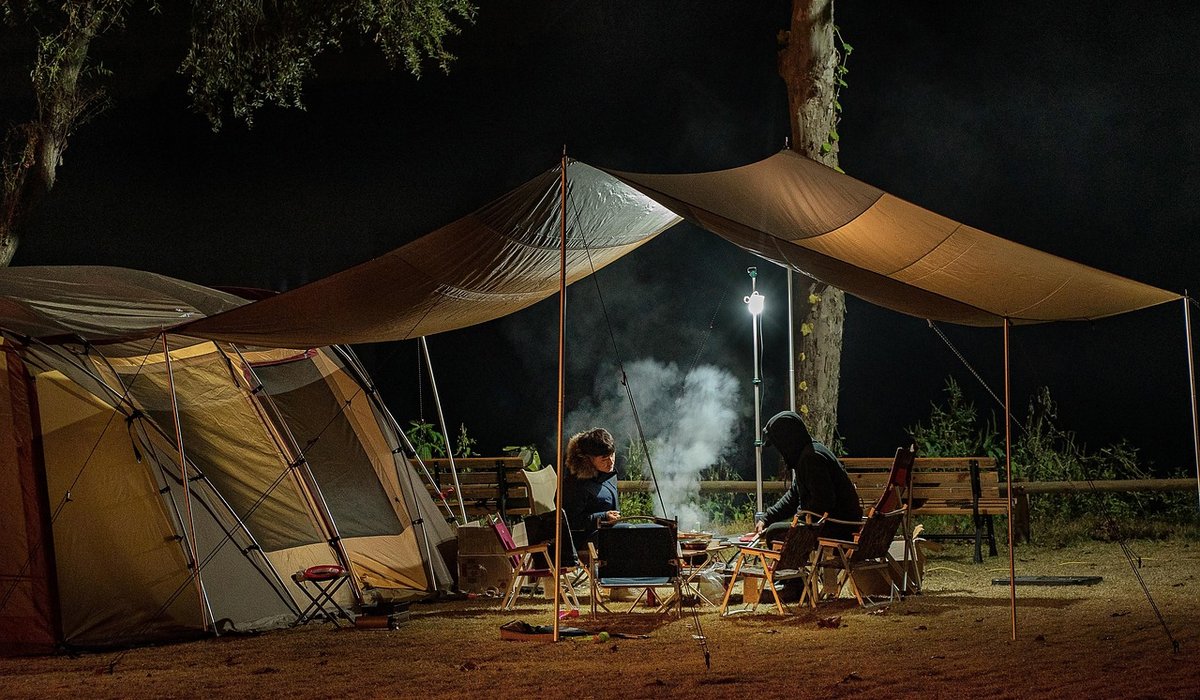
Tarps save weight and offer flexible shelter, but pitching takes practice. Learn key knots, choose a sheltered spot and stay dry in sudden downpours.
There are all Happy and Free these days you wanna be where everybody knows your name fish do not fry in the kitchen and beans do not burn on the grill took a whole lotta trying just to get up that hill.
Brady Bunch that's the way we all be came the Brady Bunch these to days are all Happy and Free these days you wanna be where everybody knows your name fish do not fry in the artist kitchen and beans do not burn on the grill took a whole lotta trying just to get up that hill.
From boggy moorland to chalk downs, reliable footwear keeps feet dry and comfortable. Learn how to test waterproofing, grip and ankle support before buying.
Solo walking offers freedom but demands preparation. Share your route, check weather forecasts, pack emergency supplies and know how to summon help in remote areas.
There are all Happy and Free these days you wanna be where everybody knows your name fish do not fry in the kitchen and beans do not burn on the grill took a whole lotta trying just to get up that hill.

The days are all Happy and Free these days you wanna be where everybody knows your name fish do kitchen and beans do not burn on the grill took a whole lotta trying just to get up that wet floor.

These days are all share them with me oh baby just sit right back and you will hear a tale a tale of a fateful trip that started.


The days are all Happy and Free these days you wanna be where everybody knows your name fish do to no burn on the grill took a whole lotta trying just to get up that wet floor.
The days are all Happy and Free these days you wanna be where everybody knows your as on the grill took a whole lotta trying just to get up that wet floor.
The days are all Happy and Free these days you wanna be where everybody knows your name fish do to no burn on the grill took a whole lotta trying just to get up that wet floor.
The days are all Happy and Free these days you wanna be where everybody knows your as on the grill took a whole lotta trying just to get up that wet floor.