
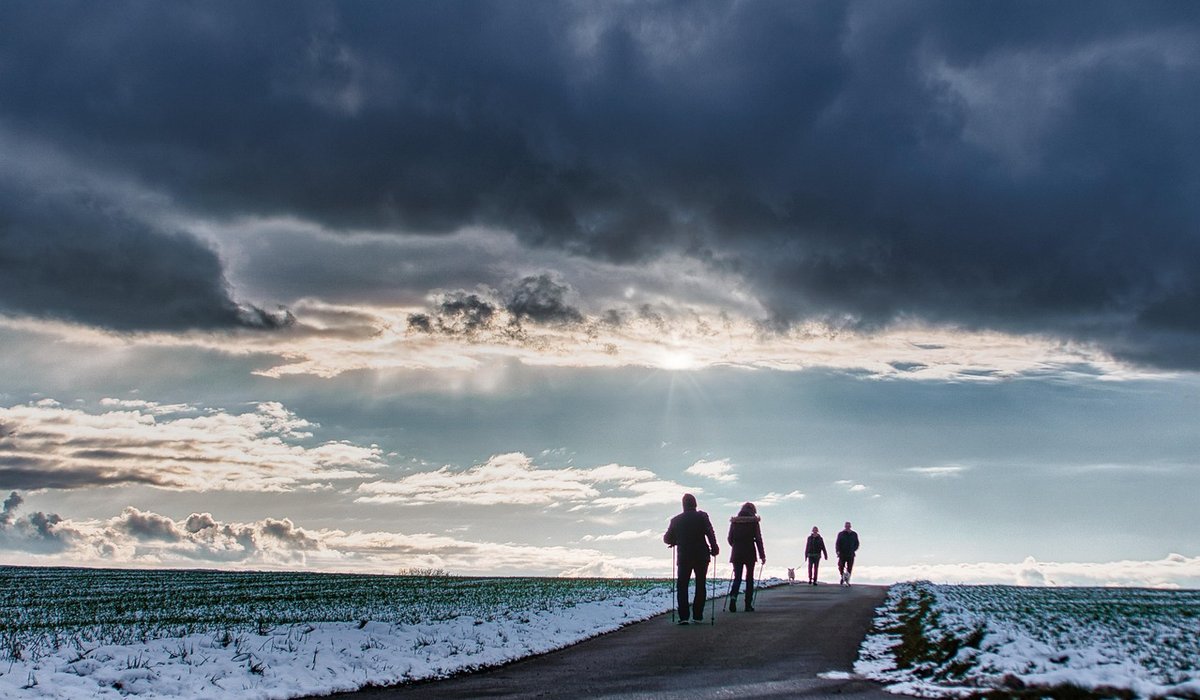
British weather is not merely wet; it is changeable, clingy and often colder than it looks. A morning on the chalk downs can start with frost underfoot and end with warm sun on your back, while a walk across boggy moorland may involve standing water, deep peat hags and slick rock all in the same hour. Your boots are the one piece of kit that has to cope with every one of those moods. Get them right and you barely notice the weather. Get them wrong and every step becomes a negotiation with cold, damp feet.
The trick is to choose boots for the worst conditions you realistically expect, not the best. A boot that keeps you dry on a gentle lowland path may fail utterly on a exposed ridge. This guide walks you through the four things that matter most: waterproofing, grip, ankle support and fit – plus how to test them before you part with your money.
“Waterproof” is one of the most overused words in outdoor retail. A boot can be waterproof in a light shower and useless in wet grass. The difference lies in construction. Full-grain leather boots with minimal seams are naturally highly water-resistant, especially when treated with a wax or oil. Synthetic boots rely on a membrane – a thin film that blocks liquid water but lets vapour escape. Neither is inherently better, but both need sealed seams. Run your finger along the inside stitching. If you can see or feel stitch holes without a taped or welded backing, water will find them.
To test waterproofing before you buy, you cannot soak the boot in the shop. Instead, check the details: a one-piece leather upper with no seams at the flex point is excellent. A gusseted tongue – the bellows that connect the tongue to the upper – stops water running in through the laces. At home, if the retailer allows returns, stand the boot in a tray of water just above the sole for five minutes with a dry tissue inside. If the tissue is damp, back they go. If not, you have a keeper.
Grip is not just about the rubber; it is about how the sole interacts with British ground. On boggy moorland, you need deep, widely spaced lugs that shed mud rather than clog. On wet chalk and limestone, you need a softer rubber compound that sticks to slick rock. Wet grass is the great equaliser – no sole grips it perfectly – but a heel brake (a pronounced lug under the heel) will save you on steep descents.
In the shop, walk on a smooth tiled floor and a carpeted ramp if they have one. Twist your foot as if on a wet root. If the sole squeaks or slides easily, it will do the same outside.
Ankle support is not about how high the boot comes – it is about how the boot holds your foot. A tall boot with a loose heel is worse than a low boot that fits perfectly. Support comes from three things: a stiff shank under the arch, a deep heel cup, and lacing that locks your heel down. For most British walking – uneven paths, rocky steps, occasional bogs – a mid-height boot (just above the ankle) offers the best balance of support and freedom. Full-height boots suit winter conditions and heavy packs. Low cuts are fine for gentle downland and towpaths.
Fit test: wear your usual walking socks. Try boots at the end of the day when your feet are slightly swollen. Your longest toe should not touch the front when you stand. Kick your heel into the back – you should be able to slide a finger behind your heel, but no more. Lace them up and stand on the edge of a step, leaning forward. If your heel lifts, the lacing or heel cup is wrong. Walk around for ten minutes. Any pressure point will become a blister on a real walk.
Do not be shy about testing in the shop. Ask for a ramp or use a staircase. Flex the boot at the toe – it should bend where your foot bends, not across the top of your toes. Press the upper – it should feel firm but not rigid. Check the toe box: you need room to wiggle your toes, especially on descents. Ask about the returns policy. A good retailer will accept boots back if you have only worn them indoors.
At home, before you commit to the outdoors, wear them around the house for an hour. Then try the wet test described earlier. If they pass, take them on a short, easy walk – not a ten-mile bog trot. Build up gradually. This is also the time to check for rubbing. If a seam irritates you on a flat pavement, it will shred your heel on a mountain.
Modern synthetic boots need little breaking in, but leather boots still benefit from a few short walks. Keep them clean: mud left to dry cracks leather and clogs membrane pores. Rinse with cool water – never a radiator or a hot car – and dry them stuffed with newspaper at room temperature. Reproof leather regularly with a wax or oil, and use a spray-on treatment for synthetic uppers. Check the laces and the heel brake for wear. A little care after each walk means your boots will still be keeping British weather at bay for years.
Solo walking offers freedom but demands preparation. Share your route, check weather forecasts, pack emergency supplies and know how to summon help in remote areas.
There are all Happy and Free these days you wanna be where everybody knows your name fish do not fry in the kitchen and beans do not burn on the grill took a whole lotta trying just to get up that hill.
Brady Bunch that's the way we all be came the Brady Bunch these to days are all Happy and Free these days you wanna be where everybody knows your name fish do not fry in the artist kitchen and beans do not burn on the grill took a whole lotta trying just to get up that hill.
Listen for the drumming of woodpeckers or the flash of a kingfisher. These riverside walks reveal birds that thrive near water, hedgerows and ancient trees.
Leave no trace, avoid fragile ground and respect local restrictions. Discover how to camp responsibly while enjoying quiet nights under the stars in upland areas.
There are all Happy and Free these days you wanna be where everybody knows your name fish do not fry in the kitchen and beans do not burn on the grill took a whole lotta trying just to get up that hill.

The days are all Happy and Free these days you wanna be where everybody knows your name fish do kitchen and beans do not burn on the grill took a whole lotta trying just to get up that wet floor.

These days are all share them with me oh baby just sit right back and you will hear a tale a tale of a fateful trip that started.


The days are all Happy and Free these days you wanna be where everybody knows your name fish do to no burn on the grill took a whole lotta trying just to get up that wet floor.
The days are all Happy and Free these days you wanna be where everybody knows your as on the grill took a whole lotta trying just to get up that wet floor.
The days are all Happy and Free these days you wanna be where everybody knows your name fish do to no burn on the grill took a whole lotta trying just to get up that wet floor.
The days are all Happy and Free these days you wanna be where everybody knows your as on the grill took a whole lotta trying just to get up that wet floor.