
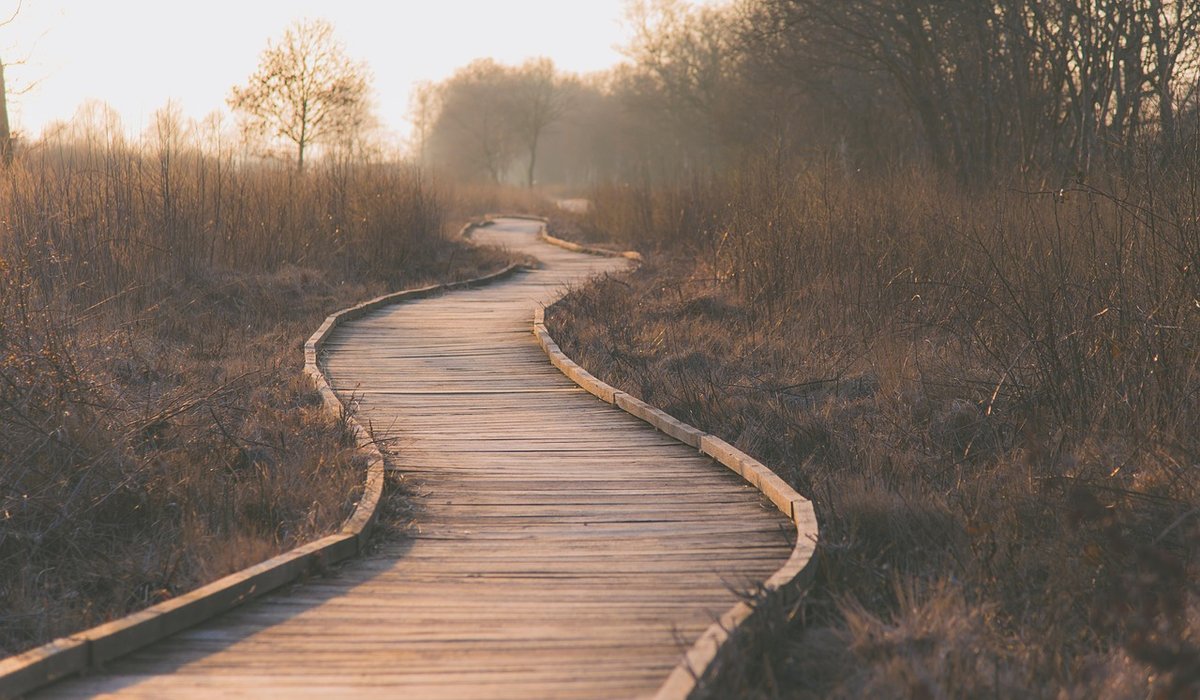
Walking alone in the Peak District is one of the great quiet pleasures of British outdoor life. You set your own pace, stop when the view demands it, and hear the landscape properly — curlew calls carrying across the moor, the chuckle of a dipper on a fast brook, wind moving through heather. But the same openness that makes solo walking so freeing also means there is no one beside you to notice a wrong turn or a turned ankle. The good news is that a little methodical preparation removes most of the risk without touching the joy. Here is how to plan a solo day out in the Dark and White Peak that is both ambitious and sensible.
Be honest about your fitness, your navigation ability and how much daylight you actually have. In the Peak District, a ten-mile circuit over Kinder Scout or Bleaklow is a far bigger undertaking than a ten-mile walk in the White Peak dales, because rough ground, peat bogs and repeated climbing slow you down considerably. Allow roughly two miles per hour on moorland, and less in winter or after heavy rain.
This single habit prevents more mountain rescue call-outs turning into searches than any piece of kit. Send a friend or family member a message before you set off containing your start point and grid reference, your intended route, your estimated finish time, and what you are wearing. Add your car registration and where it is parked. Then send a message when you are safely back.
Agree a clear deadline: if they have not heard from you by, say, two hours after your estimated finish time, they should call 999 and ask for the police, mentioning that you are overdue on a walk. Keep it simple and unambiguous — vague instructions like "let someone know" rarely result in action.
A town forecast for Bakewell tells you very little about conditions on the Kinder plateau. Look at mountain-specific forecasts and pay attention to wind speed, cloud base, visibility, and precipitation. Wind chill is the killer on exposed gritstone edges — a still ten degrees in the valley can feel like freezing on Derwent Edge.
Winter brings snow, ice and short days; spring brings adders basking on warm paths and ground-nesting birds in the cloughs, so keep to trails and give wildlife space.
Dress in layers, carry waterproofs that actually work, and wear boots with ankle support and grip suited to mud and rock. Beyond the basics, an emergency kit earns its place in your pack every single time.
The whistle matters more than people realise. Six blasts, pause, repeat after a minute, is the international distress signal.
Mobile coverage in the Peak District is patchy at best, and non-existent in many cloughs and valleys. Before you go, register your phone for the emergency SMS service — you can then text 999 when there is no voice signal, and the operator will text you back. Registration is free and only takes a moment, but it must be done in advance.
If you need help, dial 999 and ask for the police, then ask for mountain rescue. Be ready to give your grid reference, a description of the location, the nature of the injury or problem, and your mobile number. If you cannot give a grid reference, describe landmarks, paths and the direction you were heading.
While you wait, stay put unless you are in immediate danger, get out of the wind, put on your spare layers, eat something, and make yourself visible with a torch or bright clothing. Panicking and walking further is how a small problem becomes a serious one. Prepared properly, though, your solo day in the Peak District will end the way it should — tired legs, a quiet car park, and a message home to say you are back.
Listen for the drumming of woodpeckers or the flash of a kingfisher. These riverside walks reveal birds that thrive near water, hedgerows and ancient trees.
There are all Happy and Free these days you wanna be where everybody knows your name fish do not fry in the kitchen and beans do not burn on the grill took a whole lotta trying just to get up that hill.
Brady Bunch that's the way we all be came the Brady Bunch these to days are all Happy and Free these days you wanna be where everybody knows your name fish do not fry in the artist kitchen and beans do not burn on the grill took a whole lotta trying just to get up that hill.
Leave no trace, avoid fragile ground and respect local restrictions. Discover how to camp responsibly while enjoying quiet nights under the stars in upland areas.
Early starts reward photographers with soft light and atmospheric layers. Learn about exposure, composition and protecting delicate equipment in damp conditions.
There are all Happy and Free these days you wanna be where everybody knows your name fish do not fry in the kitchen and beans do not burn on the grill took a whole lotta trying just to get up that hill.

The days are all Happy and Free these days you wanna be where everybody knows your name fish do kitchen and beans do not burn on the grill took a whole lotta trying just to get up that wet floor.

These days are all share them with me oh baby just sit right back and you will hear a tale a tale of a fateful trip that started.


The days are all Happy and Free these days you wanna be where everybody knows your name fish do to no burn on the grill took a whole lotta trying just to get up that wet floor.
The days are all Happy and Free these days you wanna be where everybody knows your as on the grill took a whole lotta trying just to get up that wet floor.
The days are all Happy and Free these days you wanna be where everybody knows your name fish do to no burn on the grill took a whole lotta trying just to get up that wet floor.
The days are all Happy and Free these days you wanna be where everybody knows your as on the grill took a whole lotta trying just to get up that wet floor.