
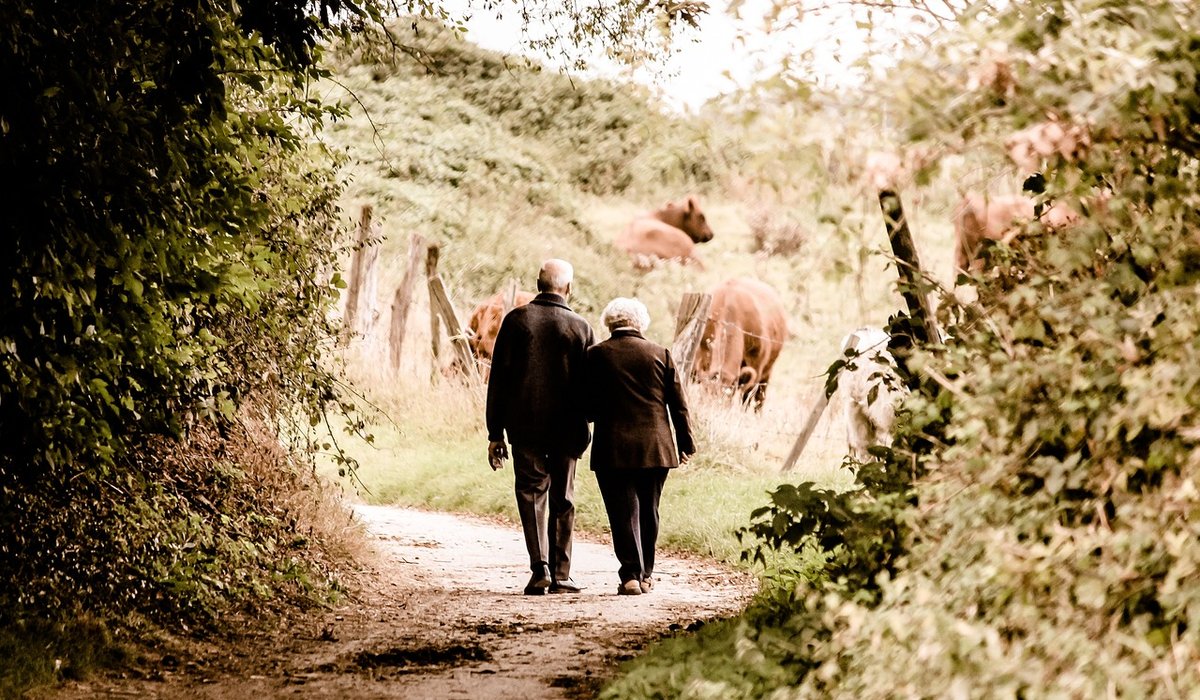
A riverbank is rarely just a riverbank. Within a few hundred metres you will pass wet woodland, old hedgerows, rank nettle beds, muddy margins and trees that have stood long enough to grow hollow. That variety is what makes a riverside walk such a productive place to learn birds. You are also walking a corridor, and birds use corridors — following the water, feeding along the edge, moving between one stand of trees and the next.
Sound carries beautifully across water, especially in the hour after dawn when the air is still and cool. Best of all, the leaves stay off the trees until April, so a winter or early spring walk lets you see birds that would otherwise be hidden. If you are new to this, start in February and March. You will be identifying birds by shape and movement long before you can identify them by song.
Most riverside birds announce themselves. Train your ear on a handful of sounds rather than trying to learn fifty. The drumming of a great spotted woodpecker is a good place to begin: a short, fast burst lasting barely a second, like someone running a stick along a fence, followed by a pause and a repeat. Listen for it in mature trees with dead limbs, often near water.
Alarm calls matter more than songs when you are actually trying to find a bird. A blackbird's harsh chatter or a robin's ticking scold usually means something is moving through the undergrowth — often a sparrowhawk, sometimes a fox.
Kingfishers are the bird most people hope for, and the flash of electric blue skimming low over the water, straight as a dart, is usually the only view you get. Listen for a piercing, high "peee" whistle, often given in flight before the bird appears. Kingfishers favour slow, clear water with overhanging branches to perch on, so look for shaded bends and fish-rich pools rather than fast shallows.
Grey wagtails are far more obliging. They have a long, constantly bobbing tail, slate-grey back, yellow underparts and a neat white eyebrow. You will often find them on weirs, mill races, stone bridges and gravel edges. A dipper means you have found clean, fast, upland water; watch for the white bib and the deep, comical bob before it walks straight under the surface.
Do not overlook the common birds. Mallards dabble in the margins, moorhens flick their tails as they swim, and a little grebe will betray itself with a trilling laugh before it dives. Grey herons stand motionless for so long that walkers pass them without noticing.
April and May bring the warblers back, and this is where a little preparation pays off. The chiffchaff says its own name, evenly, tirelessly. The willow warbler sings a soft, sweet cascade that falls away at the end. Blackcaps open with a rich, fluty burst that turns into a jumble — the classic description is a blackbird that has been to singing lessons. Garden warblers look almost identical to blackcaps, so go by voice.
In the scrub and nettlebeds, a wren will explode into an absurdly loud, rattling trill for such a small brown bird. Dunnocks shuffle about low down, quietly. Bullfinches give a soft, melancholy whistle and show a broad white rump as they fly away. Along hedgerows bordering the water, look for yellowhammers on the tallest twigs and listen for the old mnemonic, "a little bit of bread and no cheese".
Good birdwatching on a riverside path is mostly a matter of pace and patience. Walk slowly, stop often, and let the birds come back to normal after your footsteps have passed.
Stay on the path, never approach a nest, and keep well back from the water in spate conditions. In spring, give nesting birds space and move on quietly if you flush something.
Keep a simple notebook or a phone list. Note the date, the stretch of river, the weather and what you heard or saw. Do this for a year and your local patch will stop being a blur of small brown birds and start becoming a place with characters, habits and arrivals you can predict. Winter gives you clear views and visiting waterfowl. Spring gives you song. Autumn brings mixed flocks moving through the hedgerows. Each season teaches you something the others cannot.
There is no shortcut, and that is the pleasure of it. A riverside path walked regularly, in all weathers, will teach you more about British birds than any number of hurried visits to somewhere more famous.
Leave no trace, avoid fragile ground and respect local restrictions. Discover how to camp responsibly while enjoying quiet nights under the stars in upland areas.
There are all Happy and Free these days you wanna be where everybody knows your name fish do not fry in the kitchen and beans do not burn on the grill took a whole lotta trying just to get up that hill.
Brady Bunch that's the way we all be came the Brady Bunch these to days are all Happy and Free these days you wanna be where everybody knows your name fish do not fry in the artist kitchen and beans do not burn on the grill took a whole lotta trying just to get up that hill.
Early starts reward photographers with soft light and atmospheric layers. Learn about exposure, composition and protecting delicate equipment in damp conditions.
A small pond can transform your garden into a haven for frogs, dragonflies and birds. Use native plants and avoid introducing fish that prey on amphibians.
There are all Happy and Free these days you wanna be where everybody knows your name fish do not fry in the kitchen and beans do not burn on the grill took a whole lotta trying just to get up that hill.

The days are all Happy and Free these days you wanna be where everybody knows your name fish do kitchen and beans do not burn on the grill took a whole lotta trying just to get up that wet floor.

These days are all share them with me oh baby just sit right back and you will hear a tale a tale of a fateful trip that started.


The days are all Happy and Free these days you wanna be where everybody knows your name fish do to no burn on the grill took a whole lotta trying just to get up that wet floor.
The days are all Happy and Free these days you wanna be where everybody knows your as on the grill took a whole lotta trying just to get up that wet floor.
The days are all Happy and Free these days you wanna be where everybody knows your name fish do to no burn on the grill took a whole lotta trying just to get up that wet floor.
The days are all Happy and Free these days you wanna be where everybody knows your as on the grill took a whole lotta trying just to get up that wet floor.