
Coastal walking in the UK is one of the great pleasures of the outdoors: salt air, wheeling gulls, the crunch of shingle underfoot. But the sea is not a static backdrop. It rises and falls twice a day, and on some beaches the water moves faster than a walker can stroll. A wide sandy bay at low water may have only a narrow strip left three hours later. A rocky headland that looked straightforward to round can become a waist-deep channel with a strong current. The tide does not wait for a photograph, a picnic or a careful descent. Understanding tide times is the single most useful skill for anyone linking clifftop paths with beaches, estuaries and rocky coves.
Plan well, and you can enjoy rockpools, seabirds and seals — and still be back on high ground before the water turns.
Tide tables give the times and heights of high and low water for a reference port. Note the time of low water, because that often gives the longest window for beaches, causeways and rocky platforms. But local topography changes everything. An estuary may drain for miles, while a steep shingle beach may be covered within minutes. Always check the table for the nearest standard port and add a generous margin.
The rule of twelfths is a useful guide: the tide rises slowly at first, then accelerates, then slows. Never assume a steady pace.
Before you set out, look at the map and mark every place where the sea could block you. These are your cut-off points: headlands, river mouths, causeways, wide beaches beneath cliffs, and sections of path that drop to the shore. Then identify escape routes — a set of steps, a steep but safe path, a link to an inland footpath, or a high-water alternative that stays above the tide line.
Read local signage and noticeboards: they warn of quicksand, nesting closures and other specific dangers.
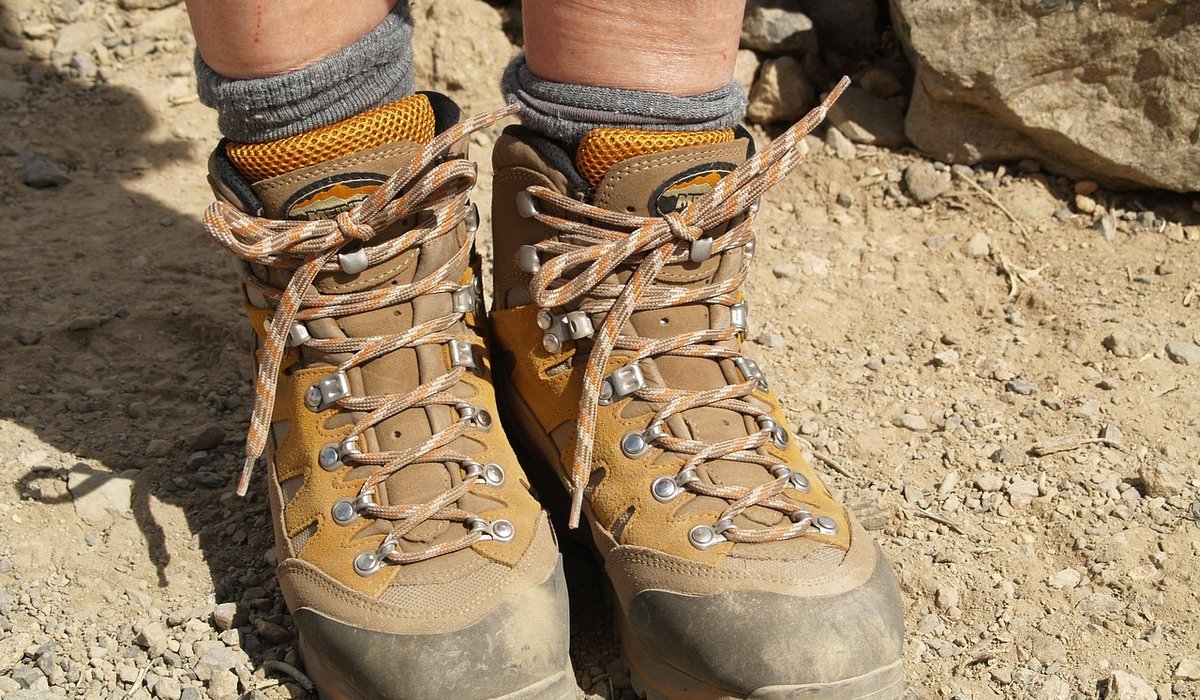
Even when the tide is low, the coast demands good footwork. Wet rocks covered in green algae or red seaweed are treacherous, and barnacle-encrusted limestone can shred soft soles. Mudflats can be softer than they look. Wear boots or shoes with deep tread, and consider trekking poles for balance. On rocky scrambles, keep three points of contact and test each hold. Avoid walking at the water's edge when you can take a higher line: waves can run further up the beach than expected, especially with a swell. If you must cross a slippery slab, move slowly, keep your hands free, and never jump down onto wet rock. A twisted ankle two kilometres from the car park is a long way home.
The tide zone is a nursery, a larder and a resting place. Rockpools hold crabs, anemones, small fish and seaweeds. Seabirds nest on cliffs and shingle in spring and summer; seals haul out on secluded beaches to rest and warm up. Keep dogs on a short lead near nesting birds and seals. Observe from a distance, and never chase an animal into the water. If you turn over a stone to look underneath, put it back exactly as you found it. Take only photographs, leave only footprints.
A good coastal walk begins with five minutes of preparation. Run through this list before you lock the car:
Coastal walking is not about battling the sea. It is about reading it, respecting it and letting it shape a better day. Check the tide, note your escape routes, watch your feet on the rocks, and you will come home with salt in your hair and a story worth telling — rather than a story about the time the water beat you to the path.
You do not need expensive equipment to enjoy urban wildlife. Start with a notebook, binoculars and patience, learning calls and habits throughout the seasons.
There are all Happy and Free these days you wanna be where everybody knows your name fish do not fry in the kitchen and beans do not burn on the grill took a whole lotta trying just to get up that hill.
Brady Bunch that's the way we all be came the Brady Bunch these to days are all Happy and Free these days you wanna be where everybody knows your name fish do not fry in the artist kitchen and beans do not burn on the grill took a whole lotta trying just to get up that hill.
Pack out litter, stick to paths and keep wildlife wild. These simple habits protect fragile habitats and ensure others enjoy the same unspoiled landscapes.
Short distances, snack breaks and interactive games keep little legs moving. Choose routes with streams, bridges and interesting trees to maintain curiosity.
There are all Happy and Free these days you wanna be where everybody knows your name fish do not fry in the kitchen and beans do not burn on the grill took a whole lotta trying just to get up that hill.

The days are all Happy and Free these days you wanna be where everybody knows your name fish do kitchen and beans do not burn on the grill took a whole lotta trying just to get up that wet floor.

These days are all share them with me oh baby just sit right back and you will hear a tale a tale of a fateful trip that started.


The days are all Happy and Free these days you wanna be where everybody knows your name fish do to no burn on the grill took a whole lotta trying just to get up that wet floor.
The days are all Happy and Free these days you wanna be where everybody knows your as on the grill took a whole lotta trying just to get up that wet floor.
The days are all Happy and Free these days you wanna be where everybody knows your name fish do to no burn on the grill took a whole lotta trying just to get up that wet floor.
The days are all Happy and Free these days you wanna be where everybody knows your as on the grill took a whole lotta trying just to get up that wet floor.