
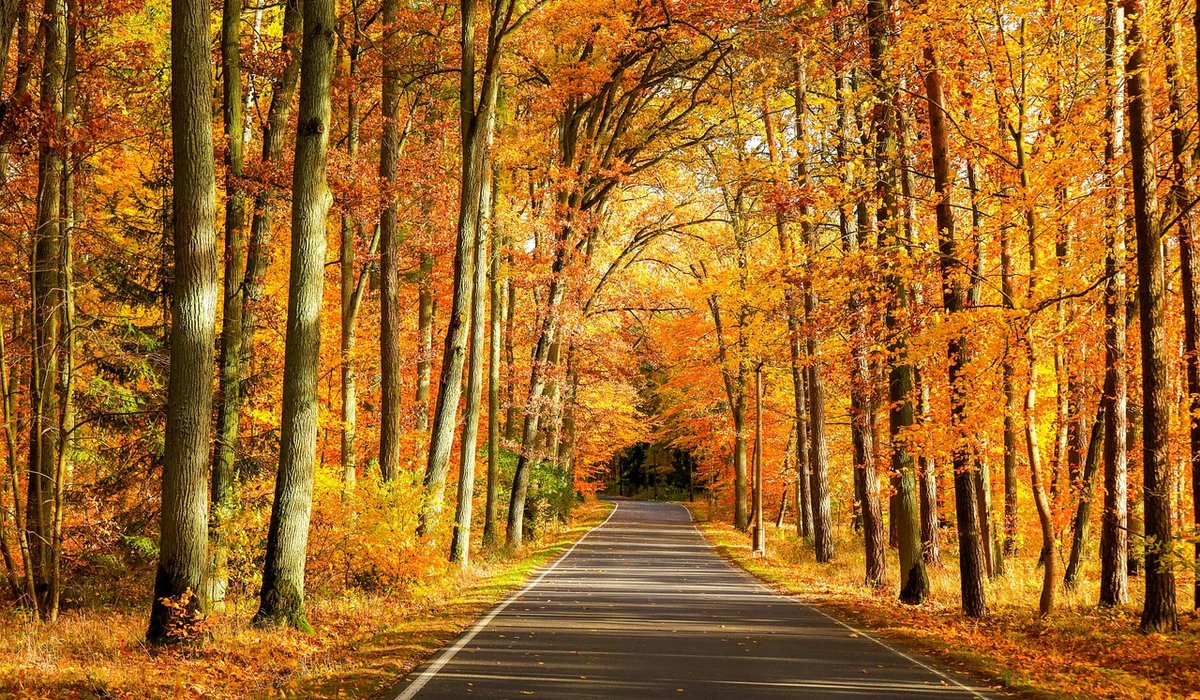
By late August, the country lanes of Britain begin to bow under their own weight. Elderberries darken in the verges, sloes are still green and hard, but the blackberries are ready — or at least, the first of them are. Anyone who walks the same lane through September will notice the harvest moves in waves, with sunlit patches ripening a fortnight ahead of shaded stretches further along.
Foraging for blackberries is the gentlest introduction to wild food there is. You need no specialist knowledge, no knife, no permit. You need a container that will not squash the fruit, a willingness to get scratched, and a certain amount of patience. Get it right and you will come home with a couple of kilos of the most useful free fruit in the country.
The common bramble, Rubus fruticosus, is so familiar that most people stop really looking at it. It is worth learning properly, because the hedgerow holds a few imposters.
If in doubt, leave it. There is always another bush twenty yards along the lane.
This is the single most important rule of roadside foraging. Country lanes are popular with dog walkers, and the lower third of a hedge is territory that every passing terrier has marked. Fruit below about knee height — on average, dog height — should be left alone, no matter how good it looks.
There is a second reason: hedgerows bordering roads collect exhaust particulates, tyre dust and spray from the verge. The further you can get from the tarmac, the cleaner your fruit. Aim for berries at waist height and above, on the field side of the hedge if you can reach it safely.
That said, do not step into a field. Crops and livestock are someone's livelihood, and a farmer is entitled to be annoyed about a stranger tramping through a wheat crop in pursuit of a free crumble. Stay on the verge, stay inside the hedge line, and keep dogs and children back from the road edge.
Not all lanes are equal. As a rough guide, in descending order of preference:
Wear long sleeves and trousers even in warm weather, and boots rather than trainers. Brambles are unforgiving, and a lane verge can hide broken glass, barbed wire and the occasional adder sunning itself. Take gloves if you have them; the thin rubberised gardening sort are ideal.
Slide your fingers under the fruit and let it fall into your palm with the gentlest of tugs. Never pull hard enough to drag the bush. A ripe blackberry releases itself the moment you hold it properly, and anything you have to wrench free is better left to ripen another day.
Layer your fruit no more than three deep in a tub, or use a flat container lined with a cloth. Blackberries bruise into mush with alarming speed, and bruised fruit will not keep.
Leave plenty behind. The blackberry crop is not there for you alone. Thrushes, blackcaps, warblers, dormice, foxes and badgers all depend on it as autumn fuel, and the fruit you leave on the bush is the fruit that feeds next spring's birdsong. Take a third at most from any one stretch, and take it spread out rather than stripping a single bush bare. Other foragers are coming along behind you, and they deserve something to find.
Do not wash the fruit until you are ready to use it. A quick rinse in cold water just before cooking removes dust and the occasional grub, and any small white maggots will float to the surface — entirely harmless, and a sign the fruit is genuinely wild rather than sprayed.
Blackberries freeze beautifully. Spread them on a tray, freeze until solid, then bag them, and you will have summer fruit for crumbles in January. They also make excellent jam with a little apple for pectin, a fine vinegar, and the base of a very good gin liqueur.
Above all, slow down. Foraging is not a race to fill a bucket. The best part of a blackberry walk is the walk itself — the smell of the hedge, the rustle of a wren in the undergrowth, the sun on your back and the small satisfaction of coming home with stained fingers and something for tea.
Traditional open fires damage fragile ground. Compare gas, alcohol and wood-burning stoves that minimise impact while still boiling water efficiently in windy weather.
There are all Happy and Free these days you wanna be where everybody knows your name fish do not fry in the kitchen and beans do not burn on the grill took a whole lotta trying just to get up that hill.
Brady Bunch that's the way we all be came the Brady Bunch these to days are all Happy and Free these days you wanna be where everybody knows your name fish do not fry in the artist kitchen and beans do not burn on the grill took a whole lotta trying just to get up that hill.
Plan shorter routes, carry a headtorch and start early to avoid dusk. Winter landscapes offer quiet beauty, frosty paths and clearer views through bare trees.
Patience and early mornings improve your chances. Look for spraints, burrows and distinctive swimming styles while keeping a respectful distance from these shy mammals.
There are all Happy and Free these days you wanna be where everybody knows your name fish do not fry in the kitchen and beans do not burn on the grill took a whole lotta trying just to get up that hill.

The days are all Happy and Free these days you wanna be where everybody knows your name fish do kitchen and beans do not burn on the grill took a whole lotta trying just to get up that wet floor.

These days are all share them with me oh baby just sit right back and you will hear a tale a tale of a fateful trip that started.


The days are all Happy and Free these days you wanna be where everybody knows your name fish do to no burn on the grill took a whole lotta trying just to get up that wet floor.
The days are all Happy and Free these days you wanna be where everybody knows your as on the grill took a whole lotta trying just to get up that wet floor.
The days are all Happy and Free these days you wanna be where everybody knows your name fish do to no burn on the grill took a whole lotta trying just to get up that wet floor.
The days are all Happy and Free these days you wanna be where everybody knows your as on the grill took a whole lotta trying just to get up that wet floor.