
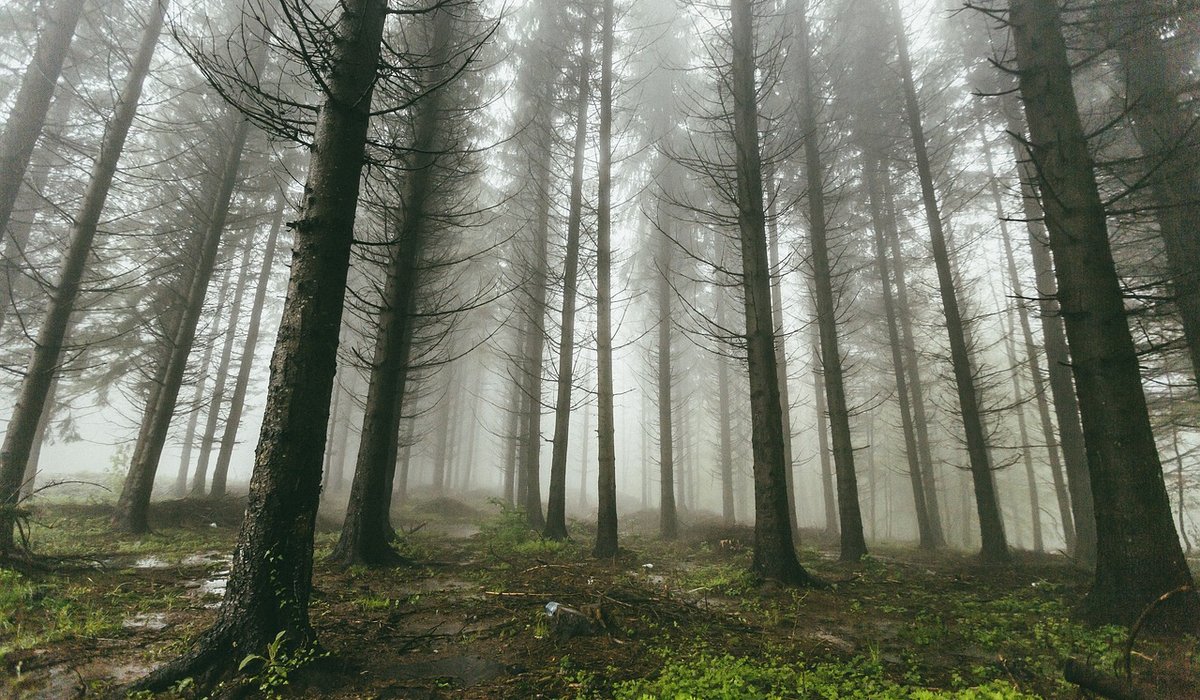
Autumn colour in a British woodland is not a single event but a relay. Horse chestnut and lime go first, often as early as mid-September, turning a tired buttery yellow along lanes and park edges. Ash follows, then beech and field maple, and finally the oaks, which can hold their russet into late November. Add a stiff westerly and a night of heavy rain and a wood that was spectacular on Tuesday looks bare by Sunday. The best approach is to have your kit ready and be prepared to go at short notice rather than to plan a trip three weeks out.
Watch the trees you pass daily. When a favoured beech hanger starts to turn, you have roughly a fortnight before it is over. Oak woods, bless them, are more forgiving.
No piece of kit does more for autumn leaves than a circular polarising filter. It cuts the glare from waxy leaf surfaces and wet foliage, letting the colour beneath come through, and it deepens the sky behind the canopy. But it is easy to misuse.
Add a lens hood and a microfibre cloth — leaf litter, moss and drizzle all conspire to smudge a front element.
Set the alarm. In mid-October, first light across most of the UK arrives around half past seven, and the hour afterwards is the best of the autumn day: still air, dew on everything, low sun raking through trunks, and almost nobody else about. A headtorch is a sensible luxury for the walk in.
Overcast, bright-but-flat days are underrated. Diffuse light saturates the yellows and oranges without the brutal contrast of full sun, and it lets you photograph whole scenes rather than chasing detail. On clear days, work with the sun behind you for strong side lighting, or shoot into the light to catch translucent leaves glowing from within — expose for the leaves and let the sky burn out. Mist is a gift; get into the wood, not above it, and look for layers of trunks fading into grey.
Wet weather pays you back. Puddles on a woodland track, a slow bend in a stream, or the still corner behind a fallen trunk all give you a second copy of the canopy. Get low and close, use a wide lens, and always give the frame an anchor — a mossy stone, a curled leaf, a strip of bank — so the reflection reads as water rather than an abstract mess.
Use the polariser thoughtfully here: turning it can either kill the surface glare to reveal the leaves below, or strengthen the mirrored sky. Decide which you want before you press the shutter. For moving water, a shutter speed of a quarter to a couple of seconds softens the flow; if it is not moving, do not blur it.
Not all woods photograph alike. Look for open structure and vertical drama: beech hangers on chalk escarpments, oak and birch on sandy heaths, oakwoods in steep Welsh and Scottish valleys with a stream running through them. Edges, rides and clearings give you light and layers. Dense conifer plantations rarely repay a visit, though a band of larch turning gold among green firs is a fine exception.
Small, lone trees against pasture or a sweep of hillside are the easiest autumn subjects to compose. Big woods need a foreground — a path, a gate, a fallen branch — to make sense of the tangle of trunks and colour.
Autumn is busy in the woods: jays caching acorns, red squirrels, fungi pushing up through leaf litter, and from late September the red deer rut on Exmoor, in Galloway and the New Forest. All of it rewards patience rather than pursuit. Sit still in dull clothing, watch the wind, and let things come to you. Keep well back from rutting stags, never use calls or drones, and keep dogs on a lead around deer and livestock.
Get out early, keep the sun either behind your shoulder or straight into the lens, and let the season do the rest of the work.
A well-placed nest box supports declining garden birds. Choose untreated wood, avoid perches and position away from prevailing winds and predators.
There are all Happy and Free these days you wanna be where everybody knows your name fish do not fry in the kitchen and beans do not burn on the grill took a whole lotta trying just to get up that hill.
Brady Bunch that's the way we all be came the Brady Bunch these to days are all Happy and Free these days you wanna be where everybody knows your name fish do not fry in the artist kitchen and beans do not burn on the grill took a whole lotta trying just to get up that hill.
Multi-day routes require fitness, planning and lightweight kit. Break in boots, test meals and study resupply points before committing to a long trail.
Mountain forecasts differ from town predictions. Learn about wind chill, visibility, precipitation and how conditions change rapidly across exposed ridges and valleys.
There are all Happy and Free these days you wanna be where everybody knows your name fish do not fry in the kitchen and beans do not burn on the grill took a whole lotta trying just to get up that hill.

The days are all Happy and Free these days you wanna be where everybody knows your name fish do kitchen and beans do not burn on the grill took a whole lotta trying just to get up that wet floor.

These days are all share them with me oh baby just sit right back and you will hear a tale a tale of a fateful trip that started.


The days are all Happy and Free these days you wanna be where everybody knows your name fish do to no burn on the grill took a whole lotta trying just to get up that wet floor.
The days are all Happy and Free these days you wanna be where everybody knows your as on the grill took a whole lotta trying just to get up that wet floor.
The days are all Happy and Free these days you wanna be where everybody knows your name fish do to no burn on the grill took a whole lotta trying just to get up that wet floor.
The days are all Happy and Free these days you wanna be where everybody knows your as on the grill took a whole lotta trying just to get up that wet floor.