
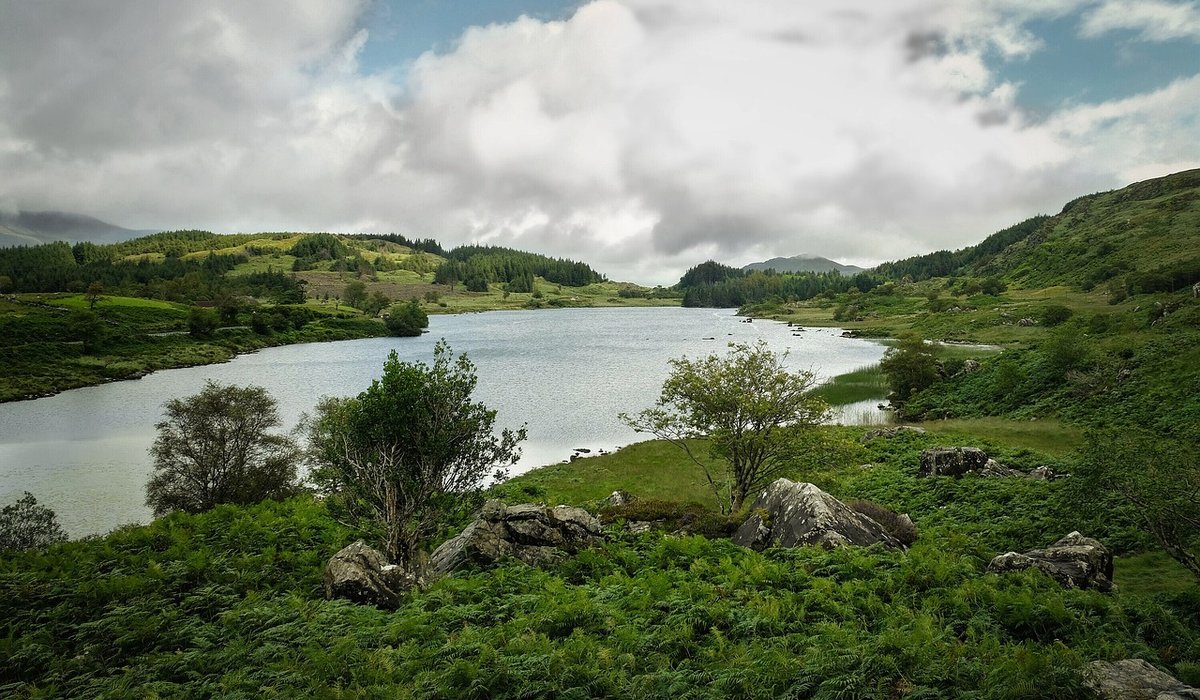
Ask ten walkers what matters most in a waterproof jacket and most will say the waterproofing. That is the easy part. A fabric rated to 10,000mm hydrostatic head will shrug off a Lake District downpour, and 20,000mm will see you through a long, exposed day on the Cairngorm plateau. What separates a jacket you tolerate from one you trust for a decade is everything happening behind that number: how well it breathes, how the hood behaves in a crosswind, and whether it will disappear into the bottom of your pack when the sun finally comes out.
British rain is rarely dramatic. It is drizzle that soaks through over three hours, or a horizontal blast on a ridge, or wet bracken soaking your legs on a still morning. Add the effort of climbing and you have a system that must move moisture out as fast as it keeps it out. Get breathability wrong and you finish the day as wet inside as you would have been without a jacket at all.
Most waterproof shells use a membrane sandwiched between fabrics. How that sandwich is built matters more than the marketing name on the label.
Breathability is quoted as a moisture vapour transmission rate, or as a RET value where a lower number is better. Ignore small differences and look at the ballpark: anything around 15,000g/m²/24hr or a RET under 6 will keep a moderately fit walker comfortable. Also check the durable water repellent finish. It is what makes rain bead and roll off rather than saturate the outer fabric. It wears out with dirt, sweat and abrasion, and a warm wash followed by a tumble dry or a reproofing treatment restores it. A jacket that wets out is not necessarily leaking; it is simply overwhelmed.
A jacket is only as waterproof as its weakest seam. Fully taped seams are sealed along every stitch line and are what you want for sustained rain. Critically taped jackets seal only the shoulders and chest, and are fine for light use but will let water creep in along the arms and hem in a proper soaking.
Zips are the other common failure point. Water-resistant zips resist water; they are not waterproof, which is why good jackets pair them with storm flaps. Check the main zip has a flap that lies flat and does not curl, and that chest pockets sit above a rucksack hip belt. Cuffs should be adjustable with hook-and-loop tabs, and the hem needs a drawcord you can reach with the jacket on and a pack loaded.
You can forgive a lot in a jacket, but a bad hood ruins a wet day. Look for a wired peak that holds its shape rather than collapsing onto your face, and volume adjusters at the rear and sides so you can cinch the hood down without it pulling across your eyes. A high collar that covers your chin is a real comfort in driving rain.
Test it before you buy, even in the shop. Put the hood up, turn your head left and right, and look down at your feet. If the hood swivels with your head and still lets you see where you are stepping, it will work on a summit. If it drags your vision sideways, it will be a misery on a windy col. It should also fit comfortably over a thin hat or buff without feeling tight.
Ventilation is the cheapest breathability you can buy. Pit zips let you dump heat on a climb without exposing your core, and mesh-lined handwarmer pockets double as vents when the zip is left open. A two-way front zip helps when you are wearing a harness or a hip belt.
Weight and pack size involve honest trade-offs. A stripped-back shell of around 250–300g packs to the size of a large grapefruit and is ideal for summer showers and emergency use. A durable 3-layer jacket at 450–600g will pack to roughly the size of a two-litre bottle but will survive years of brambles, pack straps and repeated washing. If you walk year-round in Britain, the heavier jacket is usually the better value.
Fit is where good jackets are made or wasted. You need room for a midlayer fleece underneath, but not so much that the fabric billows and flaps in wind. Sleeves should reach your wrists when your arms are stretched forward, not just hanging by your sides.
Buy for the wettest, windiest day you realistically expect, and the jacket will serve you well on all the mild ones in between.
Coastal walks can be cut off by fast-moving tides. Check local tables, note escape routes and avoid slippery rocks when planning a safe day beside the sea.
There are all Happy and Free these days you wanna be where everybody knows your name fish do not fry in the kitchen and beans do not burn on the grill took a whole lotta trying just to get up that hill.
Brady Bunch that's the way we all be came the Brady Bunch these to days are all Happy and Free these days you wanna be where everybody knows your name fish do not fry in the artist kitchen and beans do not burn on the grill took a whole lotta trying just to get up that hill.
You do not need expensive equipment to enjoy urban wildlife. Start with a notebook, binoculars and patience, learning calls and habits throughout the seasons.
Pack out litter, stick to paths and keep wildlife wild. These simple habits protect fragile habitats and ensure others enjoy the same unspoiled landscapes.
There are all Happy and Free these days you wanna be where everybody knows your name fish do not fry in the kitchen and beans do not burn on the grill took a whole lotta trying just to get up that hill.

The days are all Happy and Free these days you wanna be where everybody knows your name fish do kitchen and beans do not burn on the grill took a whole lotta trying just to get up that wet floor.

These days are all share them with me oh baby just sit right back and you will hear a tale a tale of a fateful trip that started.


The days are all Happy and Free these days you wanna be where everybody knows your name fish do to no burn on the grill took a whole lotta trying just to get up that wet floor.
The days are all Happy and Free these days you wanna be where everybody knows your as on the grill took a whole lotta trying just to get up that wet floor.
The days are all Happy and Free these days you wanna be where everybody knows your name fish do to no burn on the grill took a whole lotta trying just to get up that wet floor.
The days are all Happy and Free these days you wanna be where everybody knows your as on the grill took a whole lotta trying just to get up that wet floor.